Tuesday, 14 October 2014

Naralaachi Chutney : Coconut chutney

Coconut is something that i don't find commonly here in Delhi, and back home we use coconut in almost everything (even curries and everyday sabzis). So, when i go to the weekly market here, i make sure i stack the coconuts and scrape them and keep them in air tight container in refrigerator. Lasts me for a week, till i get my next buy. 

I had made Coconut Barfis for Dusshera and had some fresh coconut left in the fridge. So, i thought of making this coconut chutney and all i had to bring home was some idli/dosa batter. One scrumptuous meal was ready for dinner :) This chutney is very easy to make and goes well with anything. You can also serve this with tomato omlette or just spread it on a bread slice and eat it (i do that at times for breakfast and it's so yummy).


Ingredients:

Fresh coconut (Grated) - 1/2 cup
Green chillies - 1 (adjust according to taste)
Cumin seeds - 1/2 tsp
Asafoetida - a pinch
Salt - to taste
Mustard seeds - 1/2 tsp
Oil - 1 tsp
Lemon juice - 1/2 tsp
Sugar - 1/4 tsp
Fresh curry leaves - a few

I didn't have corriander leaves at hand which gives a nice green colour to the coconut chutney, so my chutney is white. It doesn't change the taste though. If you have corriander leaves, do add them.

Recipe:

Put the coconut, green chillies, corriander leaves, salt, sugar and lemon juice in a mixer and make a nice paste.

If you want the chutney thin or runny, add a little of water or curd. Curd also gives a nice taste to the chutney but make sure to increase the quantity of green chillies then to balance the spice flavour. Or you can also add red chillies in the tadka later on.

Heat oil in a pan, add mustard seeds. When they crackle, add asafoetida and cumin seeds. Then add the fresh curry leaves and mix this well with the chutney.

Chutney is ready in less than 10 minutes :)

Happy Cooking!!! :)

Wednesday, 8 October 2014

Kojagiri day: Special menu

I had already posted about the kojagiri special Masala Milk in my last year's post (Masala Milk), so this is kind-of a repost walking down the memory lane since yesterday was Kojagiri Pournima too. As the tradition goes, we kept the milk in the balcony for sometime for the moon rays to fall on it and then consumed it.

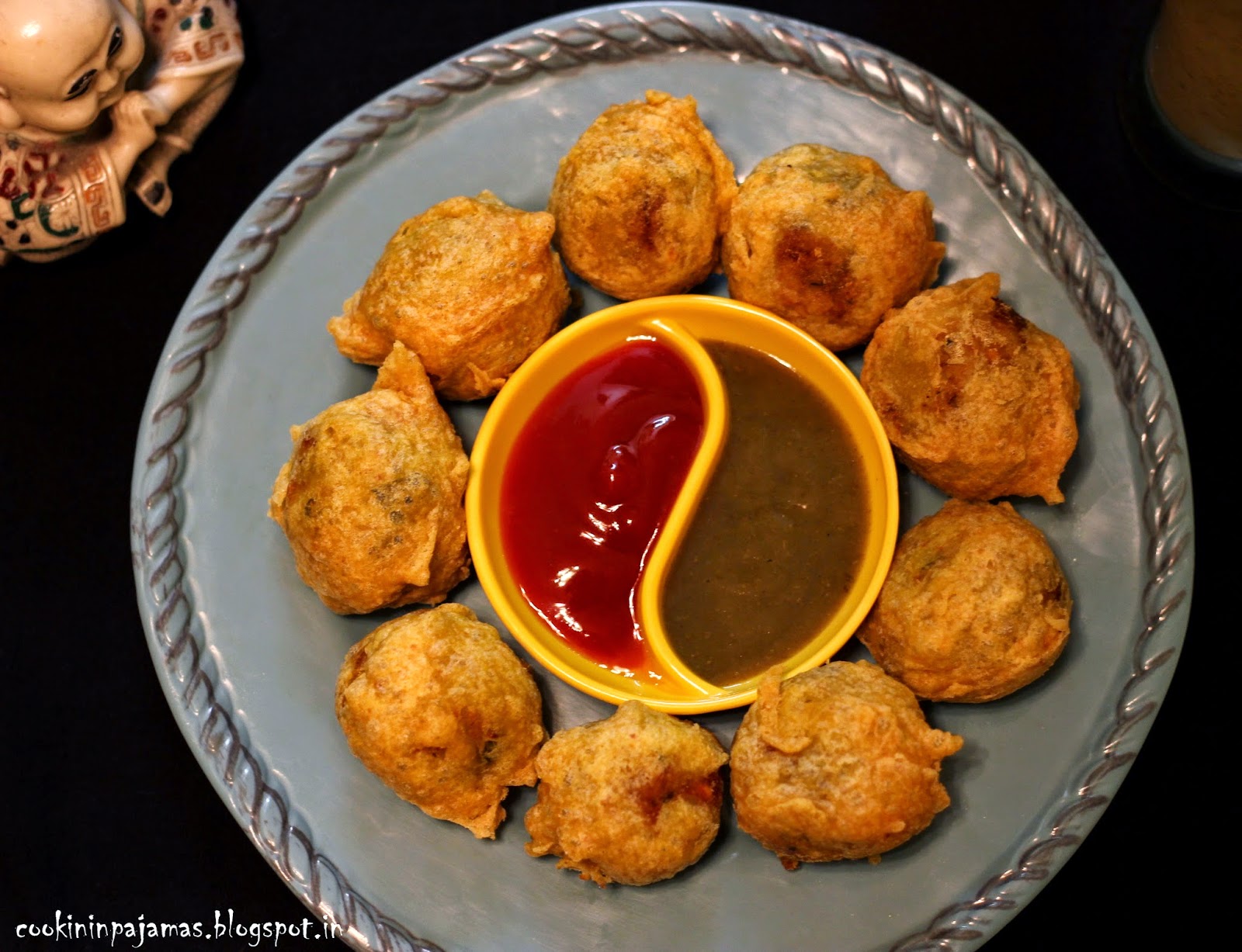
So, my kitchen menu for dinner was some hot Batata Vadas and the masala milk. But i added a twist to both the dishes yesterday and hence wanted to write about my new additions.


My masala milk recipe was as follows:

I have purposely reduced the milk to half and added more of the dry fruits (You will know why in my next post, as i had some other plans in mind to try too ;) If the trial turns out well, i will post it in my next post!!!
So, this version turns out a bit thicker. This thick version is of drinking consistency, but if you want it more thinner, what you can do is, either add milk to the thick mixture later on (It doesn't change the taste) or else reduce the milk to only 3/4th (or more) and follow the rest of the procedure.

Ingredients:

Milk - 1 litre
Sugar - 1/2 cup
Cardamom powder - 1 tsp
Nutmeg powder - 1 tbsp (I basically grated the nutmeg)
Almonds, cashews, pistachios - 1 1/4 cup
Saffron - few strands

Recipe:

Boil 1 litre milk and then reduce the milk to almost 1/2 of the original quantity stirring in between, scraping the cream from the sides of the vessel.
Keep the flame low throughout.

Dry roast the dry fruits. Now, grind them to a fine powder. Mix in saffron, cardamom powder and nutmeg powder.

After the milk has reduced to 1/2, add sugar and let it boil till sugar dissolves completely. Adjust sugar according to taste.

Now mix in the dry fruit mixture and turn off the heat.


You can have it warm or cold.


I also did a new version of batata vada from my last post, for the mere fact that i didn't have a few ingredients at hand. :) 

Ingredients:

Potatoes - 4 boiled
Urad daal - 1 tsp
Mustard seeds - 1 tsp
Oil - 2 tsp
Cumin seeds - 1 tsp
Asafoetida - a pinch
Turmeric powder - 1/4 tsp
Salt - to taste
Curry leaves - a few (I had the dried ones and not fresh. You can add any)
Chilli powder - 1/2 tsp (I didn't have green chillies, so i added chilli powder. You can either add both or one of these according to taste)
Ginger garlic paste - 1 tsp

For the batter : 
Besan (Gram flour) - 1 cup
Water - 1 cup
Turmeric powder - 1/4 tsp
Salt - to taste
Baking soda - a pinch (I tried this for the first time, and i was happy that the vadas turned quite crispy from outside)

Recipe:

Mash the potatoes and keep aside.
In a pan, heat oil, and add mustard seeds. When they crackle, add asafoetida and cumin seeds. Then add the curry leaves and turmeric powder. Next add in the ginger garlic paste and saute for 15-20 seconds. Next, add the urad daal and saute till the daal becomes reddish.

Now add in the mashed potatoes and salt. Mix it all well and cook for 2-3 minutes.

Let the mixture cool and then make equal portions round balls.

Meanwhile, make the batter using all the ingredients mentioned. Add water little by little as the batter should not become too thin.

Dip the potato balls in the batter and deep fry in hot oil.

Crispy Batata vadas are ready :))) They were super delicious, with the addition of urad daal.


If your batter is left, after frying the vadas, don't throw it away. Add sliced onions to it, and make kanda bhajis :))

Happy Cooking!!! :)

Friday, 3 October 2014

Dusshera special : Naralachya vadya

Naralachya vadya or coconut barfi is an easy to make sweet and is usually offered as a "Prashad" (offering) to God on auspicious days. Today being Dusshera (Dasra as we call it in Marathi), i made these and some kheer as prashad and thought of sharing it with you all. So here's wishing everyone reading this a very Happy Dasra!!!!


The significance of Dasra is not just burning the Ravana idols, but removing the evil from within. This is the day we start fresh and new removing all impurities from ourselves. Dasha Hara is a Sanskrit word which means removal of ten bad qualities within us:

Kama Vasana (Lust)
Krodha (Anger)
Moha (Attachment)
Lobha (Greed)
Mada (Over pride)
Matsara (Jealousy)
Swartha (Selfishness)
Anyaaya (Injustice)
Amanavta (Cruelty)
Ahankara (Ego)

This day is also known as Vijaydashmi which literally means "Vijay" (victory) over all these 10 bad qualities. In mythology, it is victory over 10 heads of Ravana from the Ramayana. Mythology is really interesting, if you add real-life meanings to each verse/poetry or story.

So, while introspecting myself and deciding to start meditation from today religiously, i made these sweets. After all, cooking is also meditating right? :)


Ingredients:

Fresh grated/scraped coconut - 1 cup
Sugar - 1/2 cup ( If you like it too sweet, add 3/4 cup)
Alternatively you can also add jaggery, it fives a very nice texture and taste to the vadis. About 3/4 jaggery for a cup of coconut will be good.
Milk - 2 tbsp ( I read somewhere that this little amount of milk adds richness and white colour to the vadis)
Cardamom powder - 1 tsp
Sliced almonds - Garnishing
Ghee - to grease a plate

Recipe :

Grease a small plate with ghee and keep aside. This quantity of ingredients made about 12-14 vadis for me, so choose your plate accordingly.

In a non stick pan, put the coconut, sugar and milk and mix well. 

Keep the flame low, and stirring in between let the mixture cook.

The sugar will dissolve and the mixture will get watery...After some time, it will start leaving sides and form a lump of mixture.

Once the lump is formed, switch off the heat. If u overcook, the vadis will still taste great but will turn out to be little hard.

Now mix in the cardamom powder.

Put this mixture on the greased plate and with the help of spatula or the back of a small katori, spread it even.

Let it rest about 15 minutes and then cut the desired shapes and garnish with the almonds.

It stays well for 3-4 days without refrigerating, but i put them in the fridge since it's too hot here. 

Remove the vadis from the plate only after they are well cooled down.


Happy Cooking :)

Thursday, 2 October 2014

Experiences at Kasauli : Part 3 (Food!!!)

Now comes the most interesting part, isn't it ;) Hehehe... 

Well, i want to be honest and frank here that Kasauli is not a food-place but every hill station adds their own taste to the even-so-common dishes! Guess as they say, the ingredients, climate, water everything adds to the taste of food and it hence differs from place to place.


The chana chaat
So a normal chana daal chaat with just onions, green chillies, chaat masala and lime juice would also taste so flavourful that you wouldn't want to stop at one serving! 

Street food is what i love to gorge on when on a trip keeping all the hygiene issues at bay! And kasauli gave a lot of food sights for the same. Everywhere on the highway, we could see "thelas" of Chole-kulche on the way from Kalka railway station to Dharmpur (a centre hub for buses and taxis). 


A typical thela(cart) selling Chole-Kulche

There were also the famous "Meat-chawal" dhabas, selling meat gravy with rice. Hubby wanted to try it, but everytime we crossed passed any dhaba, we had already finished our meal :) 


A Meat-chawal dhaba popular in hills


We mostly dined at the awesome Rooftop restaurant in our Hotel-Hangout... But when we went for a walk during the day, we didn't miss eating the much-recommended Burger on the show HOMP (Highway on my plate, which comes on television, which we used to follow regularly until now) from the shop Better Deals right before the Christ Church on the mall road. When i spoke to the owner, he mentioned that this is the 5th generation since the shop has started and is running successfully due to their natural homemade stuff like chutneys and pickles. Reminiscing the past, he mentioned that those good old days were great as compared to the tourism now, since he felt things are getting commercialized now.


The paneer and chicken burger...Yumm is the word!

Up north, indianised sandwiches (with heaps of mayonnaise ;)) are quite popular. So, to say, they add stuffing/filling in between the breads and serve (and it does taste awesome!). So when we went to the Heritage market, we tried the spicy bun samosa from Narinder sweet house. Their gulab jamuns and jalebis are also famous, but we didn't have a sweet craving that time, hence gave it a skip. Everything at his shop looked so delicious...


Narinder sweet house at Heritagemarket
The Bun-samosa
And while strolling down the mall road, we also tasted momos, that the place is famous for, due to a lot of Tibetan population residing there. Couldn't click pictures as it was already dark and was a small little stall. Then we met a very interesting local old man who runs a small tea shop. He had stories to tell about his good old days, and we sat listening to them all over a cup of a nice strong aromatic coffee he made for us. 


We also dropped in at the very famous "Giani da dhaba", and felt guilty for not listening to one of the friends to avoid it. This was one of our wishlist places and with high hopes, we wanted to eat there just to put a tickmark on our "Been there, done that" places, but the food was quite dissapointing and the service pathetic (too rude i must say). There is just nothing to write about the kadhai chicken and paneer that we ordered. 


We also tried their famous local fruit beer - Apple beer which was too sweet for our taste. 


Himachal Pradesh has booming fruit wine industry and the excise laws there are very liberal as compared to other states in India. Retaining the original fruit flavours, there were almost 14 different types of wines apart from the regular red wine. These wines have to be consumed young, as thy don't age as grape wine. The Cherry wine makes for a perfect desert wine, the Rhodo wine is made of a local flower considered good for heart. We loved the Peach and plum wine too which we got a bottle of each back home! 


And how can we not come back home with a bag of goodies... I always love to carry some local food back home! So, as the place was known for, we got some herbal green teas, some homemade chutneys and pickles (which are very unique and tasty), and some bottles of wine! :)


And so, a wonderful trip ended ! Cookininpajamas team definitely wants to visit this place again :)

Hope you all enjoyed reading my 3 part-kasauli trip!

Wednesday, 1 October 2014

Experiences at Kasauli: A slice of heaven on Earth! Part 2 - The place!

A place to unwind, Kasauli already had started growing on us on Day 2. We decided to trek to the market and a few touristic places, to get a feel of the place. And we realized that this place was an abode of romantic walks.


An old couple enjoying the walk
Our romantic walk turned into a thrill when we lost ourselves strolling in the Heritage market and it was already past 7 pm. It does get pitch dark and the narrow 900 mts trek down the hill with no streetlights and wierd sounds of the monkeys seemed as much scary as thrilling. Thankfully, the Moon was shining for us and cellphone lights really come handy at times. Giving a deeper meaning to it, the walk made us realize that "Nature is a friend and fear is only in the mind".


Well, so the day went by catching glimpses of some lovely flowers along the way, paying a visit to the famous Christ Church which was inaugurated on 24th july 1853, the Monkey Point and Sunset point.


A beautiful residential property

To be honest, more than seeing the points i was enjoying the walks and that's what makes Kasauli beautiful. You don't have to rush here to see the famous places, you don't have to worry about missing going to point XYZ... The purpose of being there was just to be there! To feel the place, relax and "Feel good". 


Monkey-ing around

Established on 24th july 1853 by the same British family who established the town of Kasauli, this Christ Church contains imported Italian and Spanish stained glass windows. (we were not allowed to click pictures inside and fortunately when we went, there was a "Mass" going on). In it's mystical atmosphere, you can sit for hours together as it's majestic aura takes you in a different world altogether.


The well known Kasauli Club established in 1880 is located within the Indian Army premises and unfortunately, we couldn't see it from inside as it's a member-only entry. But the walk cross past it to the Sunset point was thoroughly enjoyable with cool air brushing past our skin. Every hill station has a mall road and this colourful market is a good evening walk and if you want to pick up some local stuff. The heritage market is nice too and gets crowded in evenings as everyone comes there for a cup of chai or to eat some jalebis and samosas :)


And as i said before, i can't keep away from dogs even on vacations. The best thing i saw in Kasauli was that most of the pet dogs were not leashed and none of the dogs were a problem due to this. I wanted to go and talk to some pet owners about their beautiful Pahadi dogs, but somehow didn't (I am always bad at initiating conversations :( ) But we did pay a visit to the Central Research Institute of India. Of course the lab visits require permissions, but we got to know that established in 1905, it provides training in microbiology and production and quality control of vaccines such as rabies. So someone who wants to gain some expert knowledge on dog and snake bites treatment, this is the place!


My Journey continues in the last (And most important part- Food!!!) Part-3...

Tuesday, 30 September 2014

Experiences at Kasauli: A slice of heaven on Earth! Part 1- Introduction

Imagine yourself in a place overlooking hills, lush green forests of pine, oak and deodar trees, no unwanted or disturbing sounds, a pleasant "Nip in the air" atmosphere and some local beer and good food. That's exactly where we were and where we wanted to be on hubby's birthday!!! After doing a lot on R n D of the weekend getaways around, this not-so-commercial tourist place seemed like a treasure hunt for us when a friend recommended it's name. Kasauli falls in the Solan district of himachal pradesh and is a small town where everyone knows everyone. The people there are extremely humble and thankfully, the mindset is not like any other tourist destination locals.


A colonial hill station established by the British Raj in 1842, this cantonment still retains that architecture, and has a terrific old world charm. As much as road trips are fun, sitting by the window with the rays of sun falling on my lap, train journeys seem as exciting to enjoy the picturesque views outside. On the travelling day, while we were still waking up brushing the sleep from our eyes, the Sun God was already flaunting his brightness asking us to hurry to make it on time at the New Delhi railway station for the 7:40 am train. The taxi ride gave us some beautiful views of a father dropping a daughter to school on a sccoter, early office goers waiting for their public transport, cleaners brushing the dust off the road and with almost no traffic on the ever buzzing Delhi roads, we reached the station right on time!


The time in the train went in a jiffy as we were busy munching on the delicious breakfast served to us. From Kalka, we wanted to ride in the heritage toy train, but unfortunately it was already full. Ditching the taxi stand, we went to Dharmpur in a bus just to experience the local transport and we were not dissapointed. The bus was super packed and i made way to my seat climbing atop all boxes and bags. A very funny line i read written on the bus interior was :

Interior of the bus

And i jokingly commented to my husband - Check this, "As they say, men do, women don't ;)".
The bus ride

Well the small buses from Dharmpur to Kasauli are worth a ride. Loud punjabi music playing through the speakers, the locals chit-chatting, people savouring some "Chaat" (which i must say was spicy, tangy, crunchy... so flavourful), the ride was an experience! And the views....breathtaking!

The snack we had in the bus

After all this travel, all you need is a cosy room which makes you feel at home. Kasauli Regency provided just that! This is how our Deluxe room looked like:


WI-fi in the room (though, surfing internet was not on our priority list), calm surroundings, cleanliness and hygiene maintained and the USP of the hotel: Hangout, Roof top restaurant overlooking the Sanawar. We got the best corner seat for lunch and the food was lip-smacking too. After a little rest, we went for a small trek from the hotel to the market and the views didn't stop to fascinate us. Since it was hubby's birthday and we wanted to shake a leg, we went to their Saturday night party and we had to find a place to place a foot. Great music, great cocktails, this place is "the" place to be, if you want to groove to some music instead of watching tv in your room. 


And now comes the best part! Following European concept to cope with sound restrictions after 10 pm,this is the first Hotel in India to start "Silent parties" or "Headphone parties". Yes, you heard it right! So, you take a headphone and tune in to your favourite music (you have 3 options from trance, hindi bollywood and house music or hip hop) and you are the boss of the time! You can dance and party as late as you want to! We made some new friends there, as the second best policy they have of not allowing stags but only girls and couples. There were families sitting with babies grooving to the music and enjoying their dinner and there were couples getting cosy in the beautiful weather listening to some romantic songs! Doesn't this place sounds fun?


We also met the owner Rajesh Dogar who at the party who is an amazing human being, and so to say about his DJ brother Paras Sharma. Both are beautiful persons by heart and their warm friendship stole our heart. Hangout seemed like a family get together party, when we sat with strangers (now friends) chit chatting till 3 am in the morning.


This place is surely a must-visit for their amazing hospitality, good food, great music and out of the breath view. I joked asking the server whether he finds it funny seeing all people dance considering they hear no music, to which he laughed and said, "At first we used to find it funny, but now we have got used to". If you tend to sing along and get loud, they have these cardboard placards shown to you on which is written, "You are too loud" as a warning sign. 


Me and hubby enjoyed staying here, playing some pool, carrom and table tennis every evening and experiencing the relaxed atmosphere for 3 days....

My journey continues in Part 2....

Wednesday, 24 September 2014

Koshimbir special

Maharashtrian cuisine is full of flavours and spices, and a thali (a meal for the day) includes all the nutrients in a balanced way. Since childhood, having koshimbir on the side was always a part of meal. Though served in limited quantity, this was what i loved, especially the kakdichi koshimbir. Kakdi is cucumber and koshimbir is salad. But it's not just about cutting or chopping fresh vegetables, but they are always topped with green chillies, corriander leaves, peanut powder and sometimes with curd and at times with Phodni (Known as tadka). The one made with curd is popularly known as raita. But you can do variations by adjusting the amount of curd and see the magic!! The taste changes dramatically and what you get is different flavours each time.

Salads are always healthy, as they are fresh, raw and light. But at times, they would get boring. So, my mother usually makes tons of varieties, sometimes by adding sprouts, sometimes by mixing two vegetables, sometimes grating them or at times chopping them. And every time the taste is different.

So here i am presenting two different types of koshimbir. Both are made with Phodni (Tadka), but you can skip adding the tadka and add curd instead. Or add tadka and add little amount of curd. Choice is yours.


Kakdichi Koshimbir: (Cucumber salad)

Ingredients:

Cucumbers - 2
Peanut powder - 3 tsp (If you don't have this, you can even add crushed roasted peanuts for a cruncy effect)
Green chillies - 2
Onions - 1 small (optional) 
Oil - 1 tsp
Cumin seeds - 1/2 tsp
Mustard seeds - 1/2 tsp
Asafoetida - a pinch
Salt - to taste
Kadipatta (Curry leaves) - a few (Optional)
Lemon juice - about 1/2 lemon


Recipe:

Wash and slice the cucumbers. Now you can either chop them into small pieces or grate them. Either way tastes great and different i would say. Leave them aside for 15 minutes or so, so that they leave water. 

Squeeze out all the water from the cucumber and take them in a fresh bowl.

Chop the onions and green chillies and add them to the cucumber.
Add the peanut powder. Mix well.

Heat oil in a pan, add mustard seeds. When they crackle, add asafoetida and cumin seeds. After about 10 seconds, add in the curry leaves and take off heat.

Add this to the cucumber mixture. Mix well. Add salt and lemon juice at the time of serving as it would make the salad watery (Cucumber leaves a lot of water).

Healthy koshimbir is ready :)
If you want to add curd, just add a spoonful for a different taste.

Tomato Carrot Salad (Tomato chi koshimbir) :
 

Ingredients:

Tomato - 2 medium
Carrot - 1
Rest all the ingredients are the same :
Oil - 1 tsp
Asafoetida - a pinch
Mustard seeds - 1/2 tsp
Cumin seeds - 1/2 tsp
Curry leaves - a few
Peanut powder - 1-2 tbsp (optional)
Salt - to taste

Recipe:

Wash the carrots and tomatoes.
Chop the tomato. Peel the carrot and grate it. 
Take the tomatoes and carrot together in a bowl.
Now heat oil in a pan. Make Phodni by adding mustard seeds, asafoetida, cumin seeds and curry leaves.
If adding the peanut powder, add now.
Add this to the carrot and tomato. Mix it well. Add salt according to taste.

Isn't this easy?
You can change the taste and flavours by adding lime juice, or sometimes curd, sometimes not adding fodni and adding only curd or at times, just adding salt, pepper and lime juice. 
Whichever way you make it, it tastes great :)

Happy Cooking :)


Saturday, 6 September 2014

Bhendi Masala (Maharashtrian style)

There are so many different ways of making Bhendi masala, but the one i love most (obviously!) is the one that is made back home in Maharashtra. Spicy, tangy, crunchy, chewy, this dish has all flavours blended in one. Bhendi or Bhindi or Okra as it is called, tastes best when it's stuffed. And there are many versions of making the stuffing. Some make it with onions and spices, some add grated fresh coconut, some add peanut powder, and some with only spices. But the main ingredients in making this aromatic recipe Maharashtrian style is the sesame seeds and the goda masala. I feel it really transforms the dish into something else and gives it a distinct taste.


Making this vegetable requires a little more oil, but it helps prevent "bhendi" from being soggy. Hubby dearest loves this version, and the first time i made it, he called me from office just to tell me how tasty it was. So, be assured that if you make this version, you are going to get loads of pats on your back :) And the best part- It's super easy to make :)


Ingredients:

Bhendi/Bhindi/Okra/Lady's finger - 1/4 kg
Onion - 1 (cut lengthwise)
Oil - for deep frying
Oil - 2 tbsp
Sesame seeds - 1 tbsp
Roasted Peanut powder - 4 tsp
Chilli powder - 1 tsp
Turmeric - 1/4 tsp
Corriander powder - 1 tsp
Garam masala - 1/2 tsp
Goda masala - 1 tsp
Cumin seeds - 1 tsp
Amchur powder - 1/2 tsp
Salt - to taste
Sugar - just sprinkle on top ( about 1/2 tsp)
Corriander leaves - 1/4 cup
Cashewnuts - 4-5 halved (This is optional, just to make the dish rich. At home, we don't add cashewnuts, but i took this idea from the famous WahChef)

Recipe :

Wash the bhendi properly and pat dry. It is very important to dry them properly, as if they remain moist, they will be sticky and soggy when you deep fry them.

Remove the end portions from both sides, and slit them vertically from one side keeping the other side intact.

Heat oil in a kadhai. When the oil is hot enough, fry the onions and remove them just when they start turning brown. Keep aside.

To the same oil, add cashews and fry till they get a nice golden colour. Keep aside.

Now add the Bhendi to this oil, and deep fry them till they are crisp. You will know when they start browning that they are done. Remove and keep aside. 

I purposely didn't drain the oil from all the 3 deep fried items as it helps coat the masala properly when they ooze out oil.

Now in a pan/kadhai, add 2 tbsp oil. Add cumin seeds and then sesame seeds. When they splutter, switch off the gas.

Now add the peanut powder, and mix it well. Then add all the dry spices like chilli powder, turmeric powder, corriander powder, amchur powder, salt, sugar, garam masala and goda masala. Give it a nice mix. Lastly add the corriander leaves and then the onions, cashews and bhendi.

Do not cover the pan. The masala will coat automatically to the bhendi when you mix it. Also please note : Add all the spices after switching off the flame.


Now that really looks tempting, doesn't it?

Happy Cooking :)


Friday, 5 September 2014

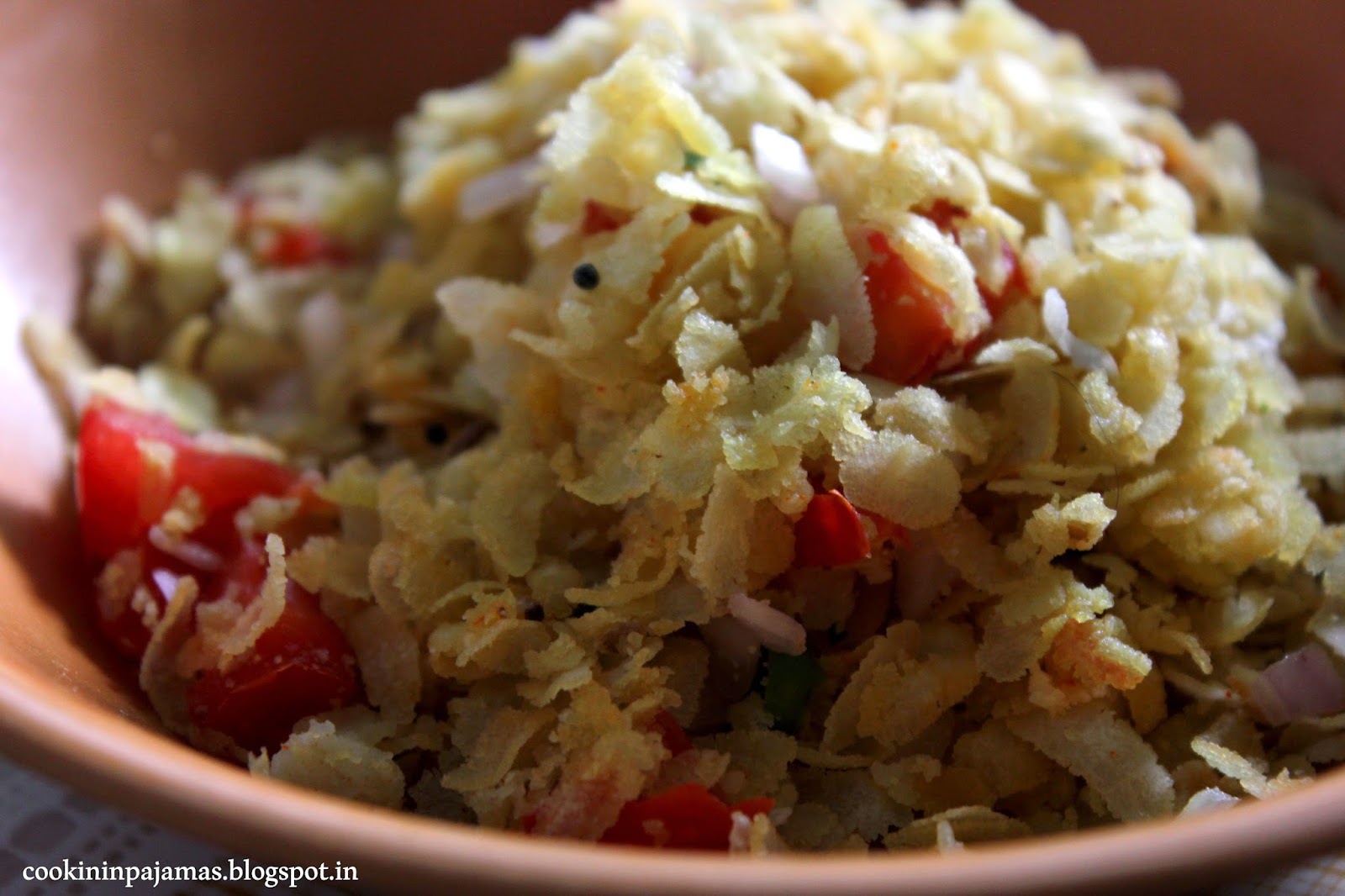
Dadpe Pohe

Dadpe pohe is a typical Maharashtrian dish which is eaten for breakfast or as a mid-time evening snack. The name of the dish has significance in it's cooking method. Dadapne in Marathi means giving pressure. No, this dish is not pressure cooked, hehe... Instead the thin variety of poha is mixed with chopped onions and mixed with tempering and fresh coconut. This mixture is covered for a while which gives it pressure which make the flavours blend well. So technically, there is no cooking involved. Just chopping and mixing. 
Isn't it easy?


And as simple as it sounds, it is made in just 10 minutes to be precise. The main ingredients for the dish being onions, grated fresh coconut and the tempering. Tempering is usually oil, cumin seeds, asafoetida, mustard seeds and at times curry leaves. Traditionally, the dish is made with fresh coconut, but if you don't have it at hand try making it with dessicated coconut (the taste will vary a bit, but if you are experimental with food, you will surely like it). And if you don't have dessicated coconut too at hand, just try it with other ingredients. Yes, we are the queens of our kitchen, and we can create magic with what's available, right?


Ingredients:

Thin poha - 2 cups
Onion - 1 (chopped finely)
Green chillies - 4 (Either chop them finely or cut them in half size according to your choice)
Grated fresh coconut - 1/2 cup or 1/2 cup chopped tomatoes (If you don't have coconut, then add tomatoes, or you can add both but don't add a lot or else poha will become too soggy)
Curry leaves - 5-6 (i didn't have them handy, so i skipped adding these in the picture)
Mustard seeds - 1 tsp
cumin seeds - 1 tsp
Corriander leaves - a few (finely chopped)
Asafoetida - a pinch
Turmeric powder - 1/4 tsp (just to give that colour)
Salt - to taste
Oil - 2 tbsp
Sugar - 1/2 tsp (this is optional, but we maharashtrians always add salt and sugar together to a dish to give that mixed flavourful taste)
Lemon - 1/2

Recipe:

Always use thin variety of poha to make this dish and not the "Mota poha".

You can make a paste of the coconut by adding little water or you can add the coconut as it is. My mother usually adds the coconut as it is.

Heat oil in a pan. Add mustard seeds. When they splutter, add asafoetida, cumin seeds, curry leaves and green chillies. Saute for about 30 seconds.

Now add the onions and cook till translucent. Add in the turmeric powder, mix well and switch off the gas.

Take poha in a mixing bowl and add the above mixture to it (If adding tomatoes, add now). Add salt and sugar and mix it all well.

Now add the grated fresh coconut or the paste, corriander leaves and lemon juice. 

Mix it all well and keep aside covered for about 10 minutes. Dadpe pohe is ready to serve :)


They taste great as it is, but you can even eat it along with some pickle, chutney or dahi (yogurt).

For a change of taste, some add roasted peanuts or roasted chana daal to this poha. Some add buttermilk instead of lemon juice, and some make it without heating the oil (add oil directly to the poha). As i always say, cooking is so regional as the water, weather and ingredients available always play an important role. So you can make your own version and am sure you will love it!

Happy Cooking :)


Tuesday, 2 September 2014

Bharli vaangi : Stuffed Brinjals

I wanted to post this recipe since a long time,it being one of my favourite dish. I never really used to like brinjals so much in childhood, but as i grew up, my taste buds became adventurous and i experimented a lot with food. Has it happened to you all that you didn't like any particular ingredient or dish as a child, and now you love it?

The famous two dishes of the vegetable in India are Bharta (Bharit as we call it in Marathi) and Bharli Vaangi (Bharwan Baingan or stuffed brinjals). Although majority of the brinjals are purple, there are also the green or white variety. Also known as aubergine or eggplant, brinjal is the common word in India. Having immense health benefits, the major one (and the one i should mention here for all my beautiful ladies reading this blog) is brinjal helps skin look younger as it has a good amount of antioxidants and vitamins. So there is no reason not to eat this vegetable right?

There are different methods of making Bharli vaangi... some stuff the masala inside the brinjals and saute it or even roast it. Some saute the masala and then stuff into brinjals and cook it covered. Some make the curry, and add roasted/cooked brinjals to it, but the one my mother makes is a little different. I like her version a lot, though at times i myself make the dry version too to give it in tiffin to hubby. But whenever i go home, i "demand" my mom to make this dish her way. And she makes it lip smacking!!!


So, the last time i visited her, i took some pics of the dish she had made ( took them in a hurry, as i was so hungry and slurrping that i didn't have the patience to click pics with the DSLR). So these pics are clicked with my I-phone and hence sorry for the image quality :) But guess you can make out, how tempting the curry is :)

Ingredients:

Brinjals - 8 medium sized ( my mother here has used green variety, but the purple variety tastes great too )

Red chilli powder - 1 tbsp ( adjust to taste )

Goda masala - 2 tsp

Salt - to taste

Onions - 4 

Garlic - 4-5 pods

Oil - 2-3 tbsp

Corriander leaves - to garnish

Cumin seeds -1/2 tsp

Turmeric powder - 1/2 tsp

Mustard seeds - 1/4 tsp

Asafoetida - a pinch

Peanut powder - 2 tbsp

Recipe:

Wash the brinjals thoroughly. Now remove the stem and cut slit the brinjal keeping the other end intact ( cut both horizontally and vertically).

Take some water in a bowl, add about 1/4 tsp salt to it. Now put the cut brinjals into water and keep aside.

Grate the onion ( Yes, that's her secret!!! ). Takes time and you might end up with loads of sneezes and tears, but trust me it's totally worth it !!! The grated onions give a nice thickness to the gravy.

Chop the garlic finely or you can even crush it.

Take oil in a kadhai/pan. This sabzi requires a little more oil, as it gives good taste and "tari" (a layer of oil) on top. Let the oil really heat up well.

Add mustard seeds, when they crackle, add asafoetida and cumin seeds. Now add the crushed/chopped garlic. Saute for about 30 seconds and immediately add the grated onions.

Saute for about a minute ( don't burn it ) on low flame and then add the turmeric powder,salt and red chilli powder. Mix it all well and let it cook till it starts leaving oil. 

Now add the cut brinjals and mix it, so that the brinjals coat with the masala. After about 1-2 minutes, add enough water so that the brinjals are immersed in it. Let it come to a boil on high flame, and then reduce to flame to low. 

Cook till brinjals are done. Now add the goda masala and peanut powder. Mix it well and add little more water (according to the consistency of the gravy needed). Adjust salt, and garnish with corriander leaves.


Traditionally we serve it with Bhaakri (roti made of jowar, bajra or rice powder), but it tastes great even with normal chapati or paratha.

Happy Cooking :)